
Product Updates
Weekly updates to Fulcrum, always included with your subscription.
Thank you! Your submission has been received!
Oops! Something went wrong while submitting the form.

The Purchase Planning grid can get cluttered with lines you're not ready to act on. You can now snooze or ignore them so the grid shows only what actually needs buying.
A couple of safety nets: a snoozed or ignored line resurfaces automatically if its recommended purchase quantity grows past what it was when you hid it, so a genuinely new need never stays buried. An indicator also flags any hidden line that still has open demand, so you can review it in one click.
This is rolling out gradually — reach out if you'd like early access.

Some jobs need to be billed in stages instead of all at once. With progress billing, you can now split a single sales order into several planned installments, say 20% up front, 30% at a milestone, and 50% on completion, and invoice each one as it's earned.
Reusable billing schedule templates live under System Data → Invoicing → Billing Schedule Templates, so you can set one up once and apply it to future orders.
Progress billing invoices sync to both QuickBooks Desktop and QuickBooks Online, and each installment's accounting code needs a matching QuickBooks item. We're rolling this out shop by shop — reach out if you'd like it turned on for your account.
Fulcrum now connects directly to Ryerson. Material costs sync from Ryerson daily, including current price breaks and delivery lead times, so the pricing you quote from is the pricing Ryerson is giving you today.
When you're ready to buy, send the order to Ryerson from the purchase order you're already working in. Delivery dates and status come back to that PO and flow into your planning. No switching between systems, no typing pricing onto a quote by hand, no downloading and re-uploading PO PDFs, and no manual follow-up to find out where an order stands.
Ryerson is the first of more supplier integrations to come.

Operators could enter a remnant bigger than the sheet it actually came from, say a 50x120 piece cut from a 48x120 sheet, and Fulcrum would warn but let it through anyway. That let job costing quietly drift out of sync with reality. Remnants are now checked against both dimensions and the total area of the original sheet, and an oversized remnant is blocked outright instead of just flagged.
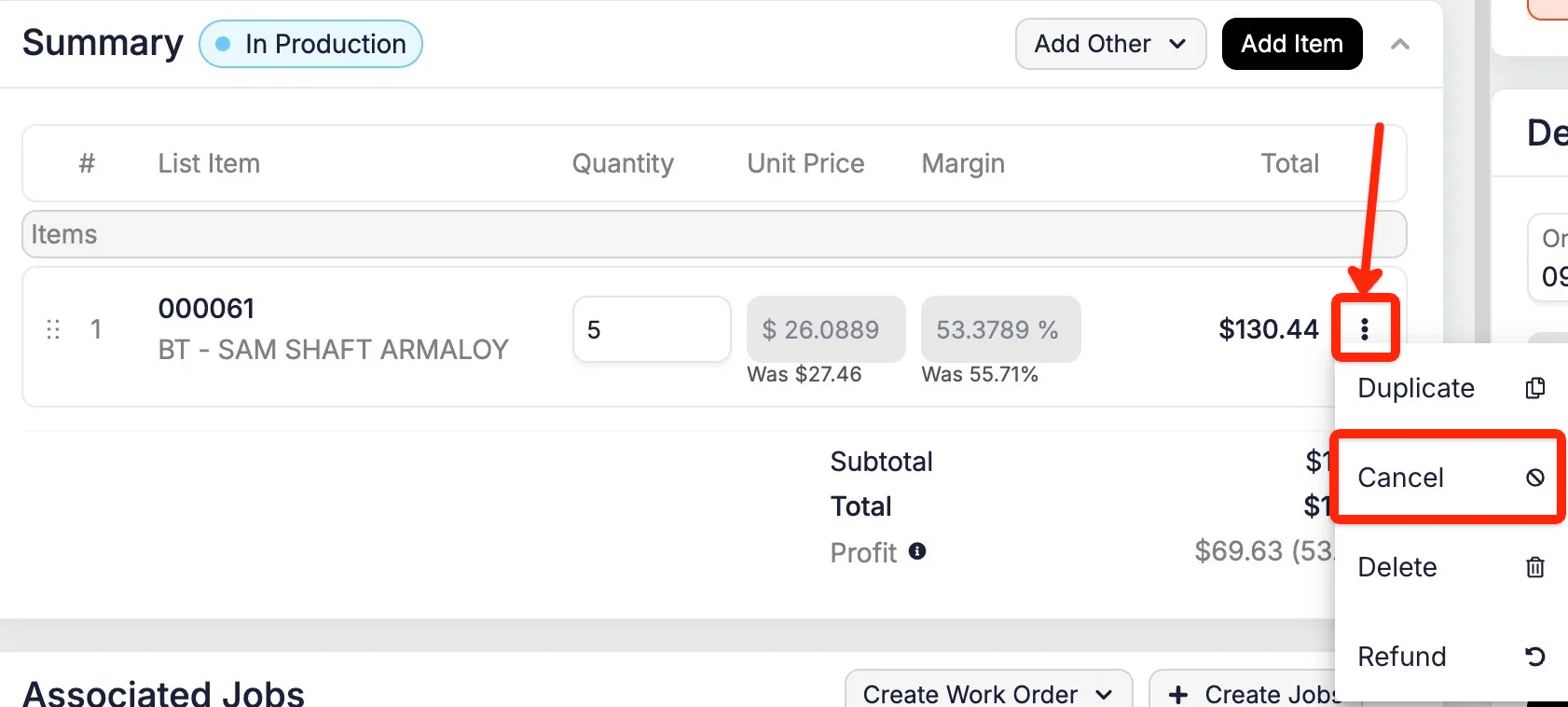
You can now drop a single line from a sales order without deleting the whole order. Mark the line as cancelled from its menu and the quantity goes to zero, so it falls out of demand planning, shipping, and invoicing prompts. A Cancelled banner appears on the line's details panel.
 Share ->
Downloading a document as a plain PDF used to mean unchecking a list of attached drawings and certs first. Miss one and you would get a .zip when you expected a .pdf. The main document still starts checked, attachments now start unchecked, and Select All is still there for when you do want the whole bundle.
You can now keep typing your next message in Archie chat, and in the Builder's author chat, while Archie is still streaming its response. The input no longer locks up until it finishes.
A broken webhook used to get retried on every single event, forever, whether its address had moved, broken, or just stopped answering. One webhook alone racked up over 170,000 failed delivery attempts in a month.
Fulcrum now pauses delivery to a webhook after it keeps failing, still sends it one event a day to check whether it is back, and turns delivery back on automatically the moment that check succeeds. You can also re-save the webhook any time to reset it yourself. Paused webhooks show their status right in the admin grid.

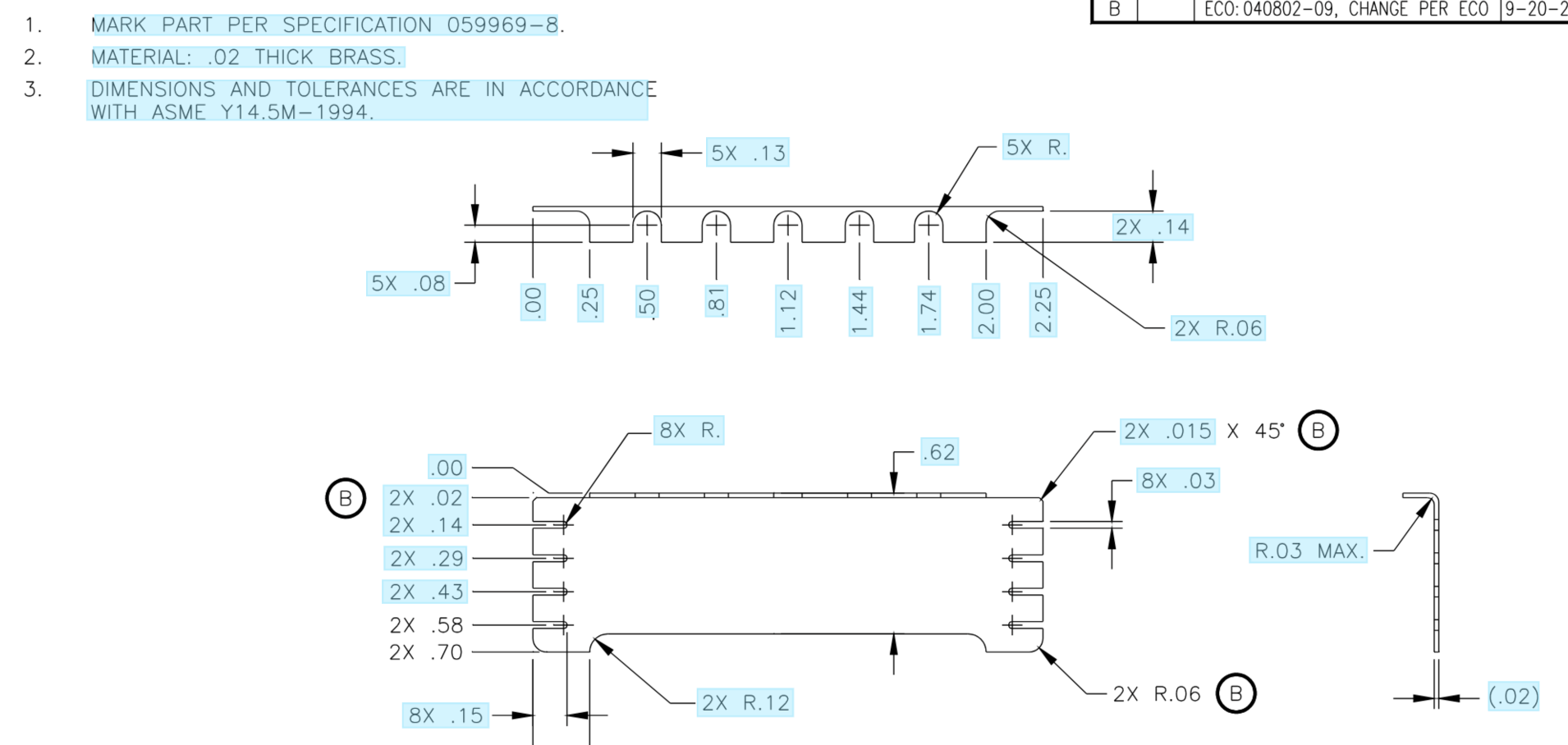
Auto-Bubble now recognizes more of what is on your drawings:
Reference features are common but not every shop wants them bubbled, so this is a per-drawing choice rather than an all-or-nothing default. General notes vary widely in how they're drawn, so recognition there keeps improving.
 Share ->
The Shipping report now includes a Customer Item Number column, so you can match a shipped line back to the number your customer uses without cross-referencing another screen.
Shipment readiness used to check a line's demand against your entire on-hand pool, so several open orders could all show Ready against the same single unit. A shipper would pack one or two and the rest would quietly stop being ready. Available inventory is now split across competing open orders for the same item, with packed lines and earlier ship-by dates going first, so Ready reflects what is actually available for that specific order.
Rolling out over the next few weeks — if you don't see it yet, it's coming.
An Additional Fee line on a purchase order used to reject negative amounts, which got in the way of a common workflow: booking a deposit as a positive fee, then crediting it back on the same purchase order as a negative one so the order nets to what is actually still owed. Negative amounts are allowed now.
On an outside-processing purchase order line, the Job cell used to lead with the internal job number and tuck the Job ID you actually recognize into small grey text underneath, backwards from how most shops read it. The link now shows the Job ID up front, and the internal number is gone. Same fix on the Outside-Processing Details panel header.
The Needs Action tile on your Invoicing grid now accounts for progress billing. An order with a milestone due used to sit there ready to invoice while the tile stayed at zero. Milestone prompts now count and list alongside deposits and shipped-but-uninvoiced lines.

Progress-billing invoices now sync to QuickBooks Online, so partial billings on a long project land in your books without anyone re-entering them.


