Thank you! Your submission has been received!
Oops! Something went wrong while submitting the form.

After two ERPs that couldn’t deliver on scheduling, a third-generation sheet metal shop went paperless, earned ISO 9001, and shipped every order on time in its first month live.
Two on-premise ERPs, JobBoss and E2, that never produced a schedule reliable enough to run the shop from
Fulcrum with iPads on the floor: dynamic scheduling, paperless routers and drawings, built-in quality checkpoints
Zero late orders in month one, ISO 9001 certified, and five self-set quality metrics met consistently
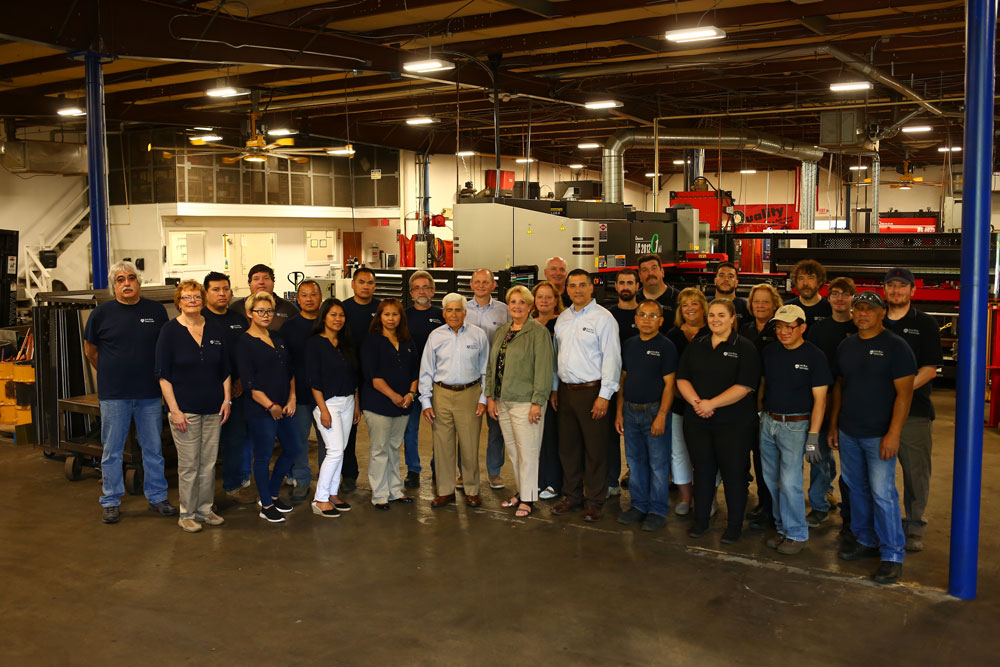
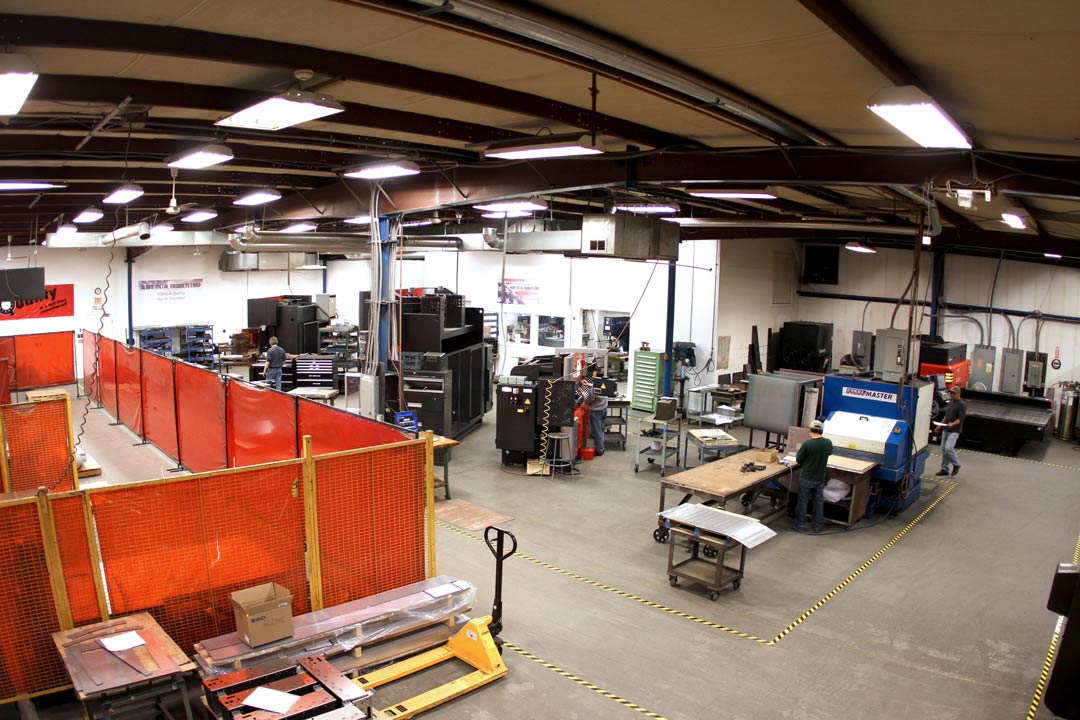
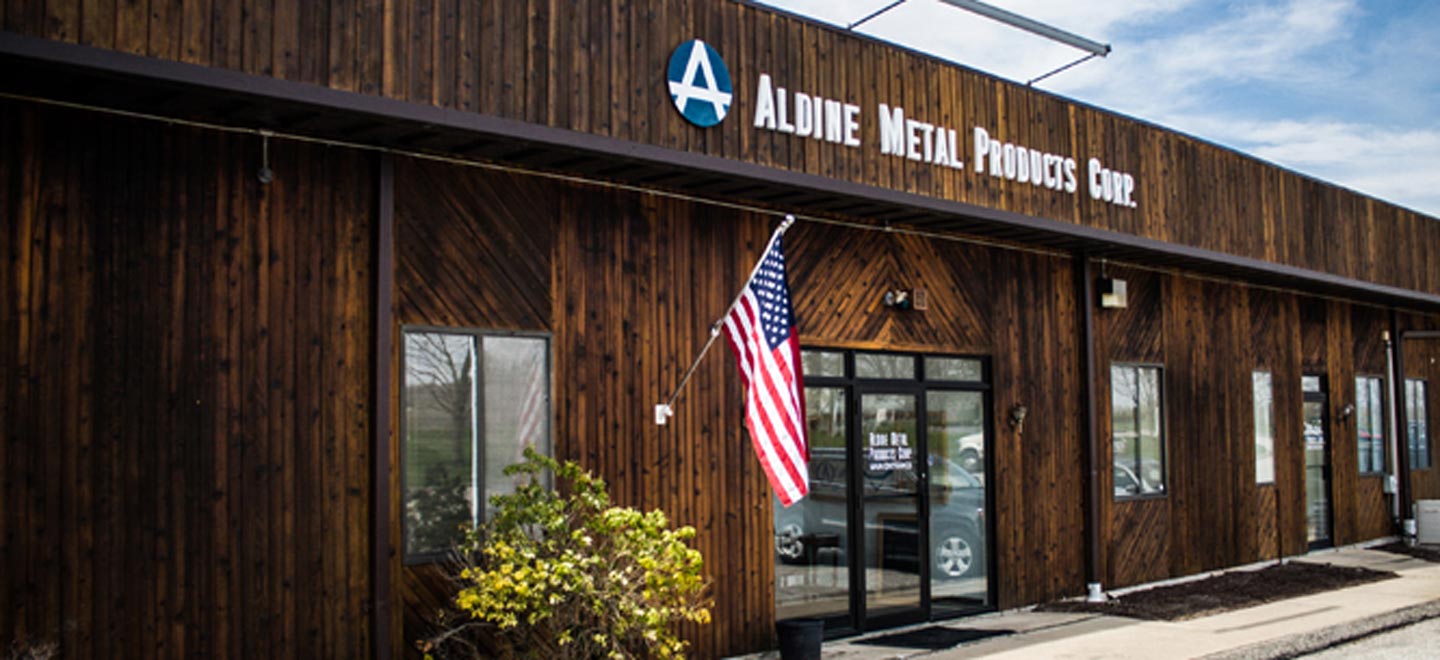
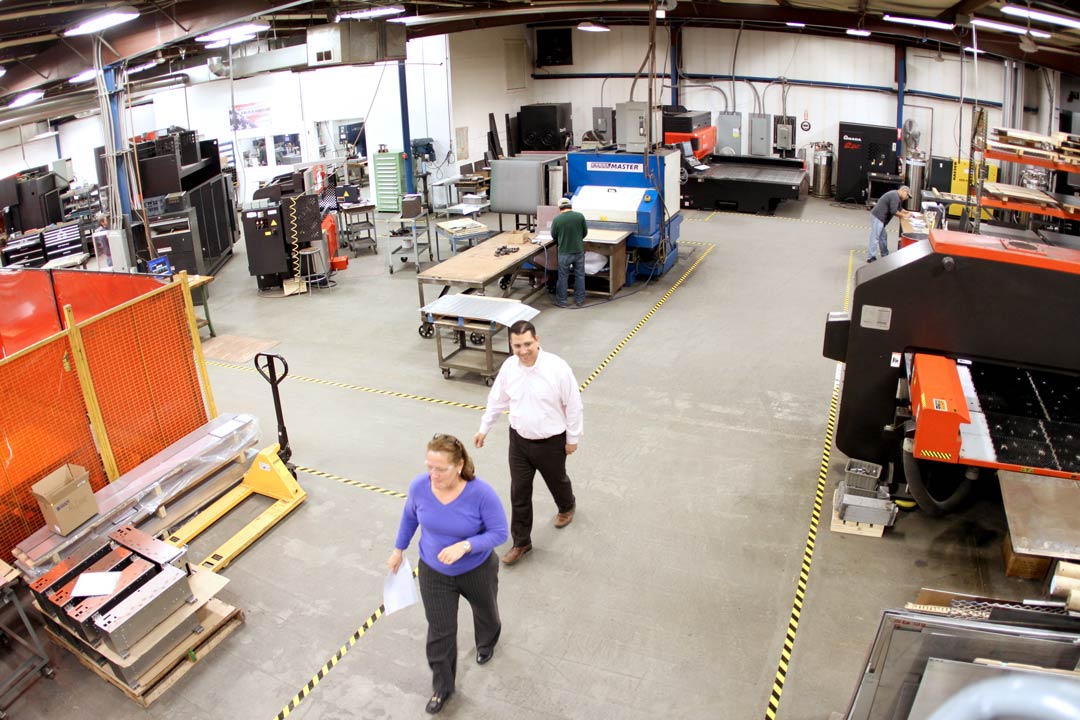
Aldine Metal Products has been fabricating precision sheet metal since 1938, starting out in Brooklyn, NY and now based in New Milford, CT. What began as a small shop under Rodd Blessey's grandfather has grown through three generations into a full-service fabricator serving commercial, military, electronic, medical, and packaging equipment customers.
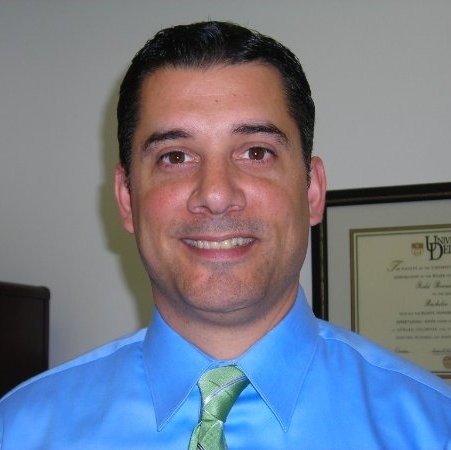
Rodd started in purchasing, began pushing the company toward better systems, and eventually took on the full weight of running an operation his grandfather built and his father sustained. The legacy Rodd carries includes, of course, the physical work of the company itself. He also carries on his father's belief that the most important thing in business is the people, whether that means your team, your customers, or the relationships that outlast any single transaction.
That belief shapes how Rodd runs the shop today, and it shaped how he approached the decision to move to Fulcrum.
Before Fulcrum
Aldine's first system was JobBoss, an on-premise platform that worked well enough when Rodd's father was running the shop at a smaller scale. When Rodd got deeper into the operation and started trying to use the software to schedule production, the walls closed in fast. Getting answers required buying blocks of support hours. Suggestions for improvement were met with workarounds that never quite provided a great solution. Rodd describes it as banging his head against the wall.
He moved to E2, also on-premise. It was faster, cleaner, and more user-friendly. Then E2 merged with JobBoss to become JobBoss Squared. Rodd had left JobBoss, chosen E2, and ended up back at JobBoss anyway.
“I got away from JobBoss, went to E2, and now I'm back to JobBoss. I'm JobBoss Squared. And I still couldn't schedule.”
— Rodd Blessey, President & COO
Scheduling was the common denominator in both failures. No matter how much time Rodd put into it, the two systems he attempted first never returned reliable enough information to actually run the shop from. He was making production decisions on instinct and experience, not data.
The search for a replacement was serious. Rodd found Fulcrum the way a lot of people do: through Sunny Han's videos online. He became, in his own words, a “Sunny groupie” on YouTube, watching every video and finding a founder who talked about manufacturing software the way Rodd thought about it, from the production team out.
“I watched all his videos and I was like, man, this guy sounds similar to me. Talking about moving forward with software, doing things for the production team. When Sunny gets into his ideas and his speaking, he's in a flow state. I loved listening to that.”
— Rodd Blessey
When Rodd evaluated Fulcrum, what he saw was a system that was built to move quickly and stay connected. In the platforms he'd used before, working across modules meant clicking in and out of separate sections, losing context at each handoff. In Fulcrum, every job number, sales order, and item number was a live link to the next thing he needed.
“I went from JobBoss that was slow, to E2 that was faster, to Fulcrum that was lightning. Every part number was a link directly to what I wanted to get to next. Boom, boom, boom, boom, boom. Everything was connected. That's what I wanted.”
— Rodd Blessey
The scheduling algorithm was what sealed it. Fulcrum took the work Rodd's team had already done building out items, routings, and time estimates, and used all of it to produce a schedule that moved dynamically, shifted as conditions changed, and surfaced bottlenecks before they became crises. It showed Rodd not just what was happening, but where the weaknesses were.
He also recognized something in Fulcrum's development pace that he hadn't seen before: the product is actively being built. Updates are constant. Changes that mattered to his shop kept appearing. That pattern, more than any feature in the demo, told Rodd this was a company paying attention.
Going Live
Aldine's onboarding wasn't without nerves. Rodd slowed the process down at one point to scrub legacy data that had accumulated across three platforms, so that when Fulcrum went live, it was working with clean information.
The month they went live turned out to be the largest order booking month in Aldine's history. They needed to ship more than they ever had, in their first month on a new system, with a team learning new tools in real time.
“We went live and we did not have one order left unshipped at the end of that first month. Zero late. And we have just tracked and grown and grown with our throughput going up and our orders going up.”
— Rodd Blessey
Before Fulcrum, sometimes jobs would come up short on the last day or two, or something hadn't gone to a finisher on time, or a customer needed to be called with an update. The team was always doing cleanup at the end of the month because the system wasn't showing them what they needed to see early enough to fix it. So, the sale would sometimes get pushed.
Now their scheduling is working. The result: a clean close in month one on a new platform.
Going paperless was a goal Rodd had carried for years. The paper-based process with JobBoss and E2 meant printing routers, printing drawings, filing them in cabinets, and stapling packets together. Two people in the office spent most of their time on that work alone.
When Fulcrum went live with iPads on the floor, the paper disappeared. Those two people were reassigned to other parts of the operation where the work was more useful. The office got faster and less expensive at the same time.
“They were so used to filing and printing and moving paper all over the building. They now didn't have to do that. We moved them. We used them in different areas. The office got more efficient. We saved money.”
— Rodd Blessey
Before go-live, Rodd expected the hardest conversation to be with the most experienced people on the floor. The ones who had been doing their jobs the same way for years. The ones for whom “all on tablets, no paper” would feel like someone changing the rules of a game they had mastered.
It didn't go that way.
“The two oldest, most seasoned people on my floor will tell you they love the system. In the old days they had to pick up a paper and go find someone to communicate a problem. It took time out of their day. Now they message. They can measure the drawing right on their screen. They can make notes and send them to production or engineering without getting up. I thought that was going to be what they disliked the most.”
— Rodd Blessey
The management team spent significant time on the floor immediately after go-live to answer questions and be present. That intentional presence, combined with a rollout process worked out with Fulcrum in advance, meant the transition landed well. Another example of Rodd and his father's commitment to putting relationships first.
The Results
Aldine pursued ISO 9001 certification after going live. With Fulcrum's built-in checkpoints, the draft-to-approval-to-production workflow built into every sales order gave Rodd a documented, repeatable process he could present to auditors with confidence. The information was in the system, accessible from anywhere, and structured to show exactly how each step happened and how corrections would be handled if something went wrong.
“If I had tried to do ISO prior to Fulcrum, everything would have been on paper. Everything would have had to be shown through paper in locked cabinets with stamps. Instead, our information is locked securely in a server that I can access from the beach if I want to. And I can still make sure every part of the process is repeatable at the highest quality level.”
— Rodd Blessey
Since achieving certification, Aldine has had only one corrective action across three years of recertification. That action was a result of an organizational restructuring, not a failure to meet the quality metrics the team set for themselves. The metrics themselves have been met consistently.
What Comes Next
Rodd's framing for why Fulcrum matters to Aldine is about capacity, in the fullest sense: the ability to take on more customers, grow the team, and deliver at a higher level without adding overhead or losing quality.
“There are a lot of people who are really good at sheet metal fabrication. We like to think we're the best, but everybody thinks they're the best. We want to be the best for our customers, but we also want to be as fast as we can be while still being the best. Who's going to drive me to be more efficient and faster so that I can take on more opportunity and bring what we do to more customers? The answer is Fulcrum.”
— Rodd Blessey
Rodd also tells this story directly to other manufacturers. Fulcrum regularly refers potential customers to Rodd for demos and conversations. He has hosted prospects who flew in from as far as Ireland after an online demo, toured them through the shop, and watched them leave to make their own decision. He does it, he says, because he genuinely believes the story is worth telling.
The company his grandfather built in 1938 is now ISO certified, paperless, running on a schedule that works, and positioned to grow. This is what carrying a legacy forward looks like.